

The Courage to Be Unfinished: Grace in the Middle of the Journey
Alignment is not a museum exhibit where every piece is polished. It is the honest humility of living in the draft.

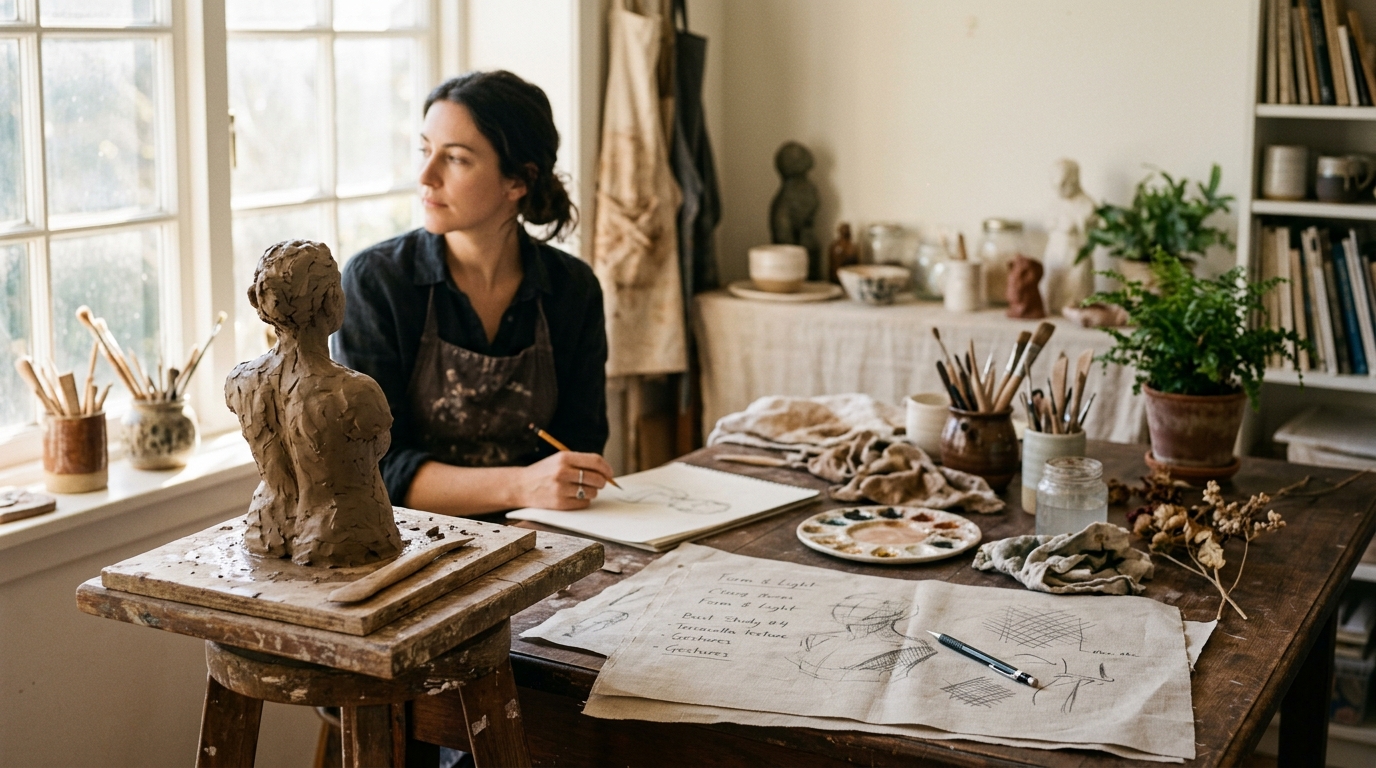
One of the most damaging illusions of our digital era is the myth of the finished human being.
Every social media profile presents a curated exhibition of conclusions. People post the book release, never the four rejected drafts; they post the polished corporate milestone, never the sleepless midnight doubts; they post the joyful family portrait, never the painful conversations in the kitchen over unpaid bills.
Because we are constantly exposed to other people's edited climaxes, we compare them to our unedited backstage reality. We look at our messy schedules, our unfinished manuscripts, our fluctuating habits, and our unresolved inner conflicts, and we conclude that there is something fundamentally broken about our lives.
In my book *From Mess to Masterpiece*, I wrote extensively about this tension: order is not the absence of difficulty; it is the presence of meaning within it. The mess is not an embarrassment to be hidden away; it is the raw marble from which your character is carved.
The False Tyranny of the Final State
We live under the false assumption that happiness is deferred until everything in our life has been completed.
We tell ourselves: Once the book is printed, then I will rest. Once the financial portfolio hits this arbitrary figure, then I will be secure. Once my health is completely flawless, then I will live fully.
This is a profound misunderstanding of the human condition. You will never arrive at a state where all problems have been settled permanently. Life is an open, dynamic unfolding. The moment one project concludes, another set of responsibilities immediately presents itself.
If your peace of mind requires that all loose ends be neatly tied, you will remain anxious until the day you die.
“The masterpiece is never a sudden arrival. It is the quiet accumulation of days spent sitting patiently with what was once a mess.”
Making Peace with the Draft
In the writing craft, no first draft has ever emerged from the pen as a masterpiece. A first draft is awkward, unbalanced, repetitive, and clumsy. It is full of sentences that make the author cringe.
Amateur writers abandon the project at this stage because they confuse the imperfection of the draft with a lack of personal talent. They assume that if they were truly gifted, the prose would flow effortlessly like mountain spring water.
Master writers know better. They understand that a first draft has only one job: to exist. It is simply the initial lump of wet clay tossed onto the potter's wheel. Its value does not lie in its immediate elegance, but in its availability for revision.
You must grant yourself the same professional grace in your living. You are currently a draft in progress. Your relationships, your spiritual disciplines, your career paths, and your emotional habits are all in various stages of intermediate revision.
Alignment as an Ongoing Gesture
Alignment is not a static pedestal upon which you stand forever once you have achieved it. Alignment is a dynamic, continuous gesture - much like a sailor constantly adjusting the rudder in response to shifting winds and ocean currents.
When you notice that you have fallen out of discipline, do not indulge in dramatic self-flagellation. Guilt is simply vanity in disguise; it is the ego complaining that it did not look as immaculate as it had hoped.
Simply take up the chisel again. Sit down at the desk. Drink a glass of water. Forgive yourself for the lost hours, and write the next sentence.
Have the courage to be unfinished. The beauty of life was never in the sterile perfection of a completed marble statue; it has always been in the warm, breathing, imperfect craftsman who steps into the studio every morning, rolls up their sleeves, and chooses to keep working.

About Rohit
Rohit is a writer, poet, and author dedicated to exploring personal growth, human behaviour, quiet discipline, and the hidden order within life's disordered seasons. He is the author of From Mess to Masterpiece.
Related Essays in Personal Growth

The Quiet Discipline of Becoming Better
Real personal change rarely begins with fanfare. It begins in quiet rooms, early in the morning or late at night, when nobody is watching and no one is there to applaud.
The Architecture of Simplicity: What Engineers and Monks Know in Common
The natural instinct of the amateur is addition, while the hard-won mastery of the craftsman is subtraction. In software engineering, architecture, and personal living, unneeded complexity is always the primary source of debt.
Letters From The Desk
Occasional dispatches containing new essays, unpublished poems, book reflections and quiet notes on the craft of living. Delivered unhurriedly.